
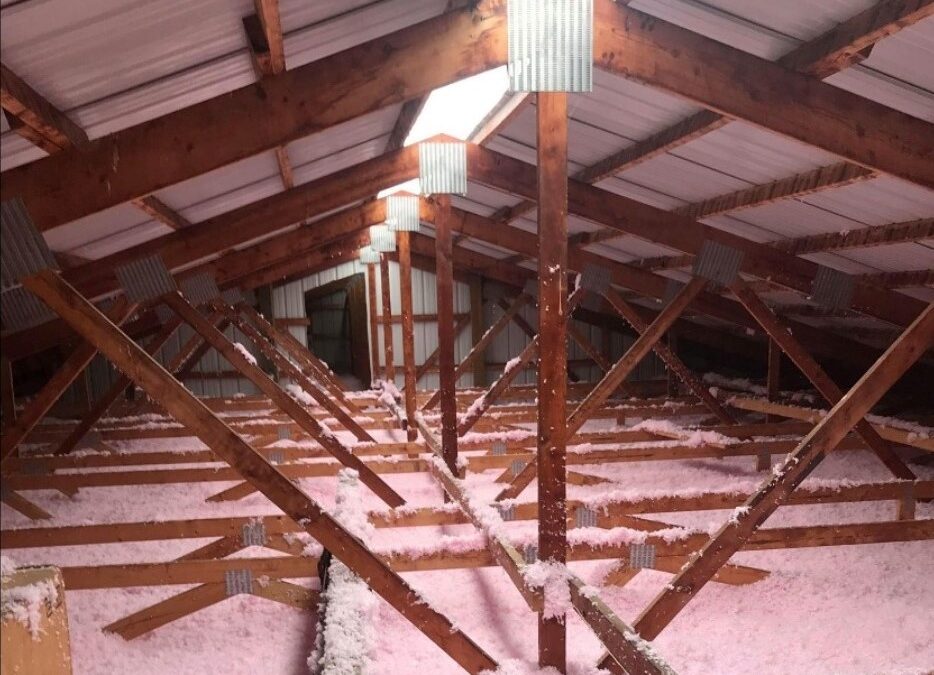
Cellulose insulation is one of the more affordable options when you want to add insulation to your home. Most homeowners in the United States pay between $1,500 and $3,500 for a full attic installation. Smaller projects can cost as little as $600, and larger or more complex jobs can push past $5,000. Knowing what drives those numbers helps you plan your budget and avoid surprises.
Key Takeaways
- Cellulose insulation typically costs $0.25 to $0.50 per square foot for materials alone.
- Installed cost usually runs $1.00 to $2.50 per square foot, depending on your location and project type.
- Attic blow-in jobs are the most common cellulose application and tend to be cost-effective.
- Depth of insulation, accessibility, and existing insulation all affect your final price.
- Cellulose is made from recycled paper and is treated to resist fire, pests, and moisture.
- Labor typically makes up 50 to 70 percent of the total project cost.
What Affects the Cost of Cellulose Insulation?
Several factors change the price of a cellulose insulation project. The size of the area, the R-value you need, and whether you have existing insulation all play a role. Accessibility matters too. A tight attic space or a finished wall cavity costs more to insulate than an open, easy-to-reach attic floor.
R-Value and Insulation Depth
R-value measures how well insulation resists heat flow. The higher the R-value, the more material you need. In Minnesota and other cold-climate states, the Department of Energy recommends R-49 to R-60 for attics. At R-49, you need roughly 13 inches of cellulose. More depth means more bags of material and more labor hours, which raises the total cost.
Homes in milder climates can get by with R-30 or less. That reduces the amount of material needed and can lower your project cost by several hundred dollars. Ask your installer what your local building code requires before you decide on a target R-value.
Cellulose Insulation Cost by Project Type
Different applications carry different price ranges. Here is a look at what you can expect to pay for the most common cellulose projects.
Attic Blow-In Insulation
Attic blow-in is the most common use for cellulose. For a 1,200 square foot attic, expect to pay $1,200 to $2,500 installed. A 2,000 square foot attic can run $2,000 to $4,000. If you are adding to existing insulation rather than starting from scratch, the cost per square foot tends to drop because you need fewer inches to hit your target R-value.
At Northland Companies, blown attic insulation is a practical choice for homeowners looking to cut heating costs without a major renovation. The process is fast and minimally disruptive compared to other insulation types.
Wall Cavity and Dense-Pack Applications
Dense-pack cellulose fills wall cavities in existing homes. It requires drilling small holes in the wall, blowing in the material under pressure, and then patching the holes. This method costs more than open attic blow-in because of the extra labor. Expect to pay $2.00 to $4.00 per square foot installed for wall applications.
Dense-pack is a good option for older homes with no wall insulation. It adds meaningful thermal resistance and can also reduce air infiltration. The finished result is not visible, but you will likely notice it on your energy bill.
Cellulose vs. Other Insulation Types
It helps to compare cellulose against other common insulation options. Each type has its own cost range and best use case.
Cellulose, Fiberglass, and Spray Foam
Fiberglass batts are the least expensive option up front, often costing $0.30 to $1.50 per square foot installed. Cellulose costs slightly more but fills gaps better because it is blown in loose. If you want to compare, you can read more about fiberglass batt insulation as an alternative worth considering.
Spray foam costs significantly more, often $3.00 to $7.00 per square foot or higher. It offers superior air sealing and moisture control, which makes it a strong choice for new construction, rim joists, and hard-to-reach areas. Northland Companies installs spray foam insulation and can help you decide whether the higher upfront cost is worth it for your specific project.
Cellulose sits in the middle. It is more effective than fiberglass at reducing air leakage, and it costs far less than spray foam. For attics and wall retrofits, it is often the best value option.
Can You DIY Cellulose Insulation?
Some home improvement stores rent blowing machines when you purchase a certain number of bags. DIY attic blow-in is possible for experienced homeowners. Material costs alone run about $0.25 to $0.50 per square foot. For a 1,500 square foot attic, that is $375 to $750 in materials before renting the machine.
DIY works best for open attic floors with good access. Wall applications and dense-pack require more specialized equipment and technique. A poorly done job can leave voids, compress over time, or cause moisture problems. If you are not confident in the process, hiring a professional is the safer choice.
Northland Companies serves homeowners across northern Minnesota and can walk you through what your specific project needs before you commit to anything. You can learn more about our full range of insulation services to get a clear picture of what is available.
Frequently Asked Questions
Is cellulose insulation a good choice for cold climates?
Yes. Cellulose performs well in cold climates because it fills gaps and reduces air infiltration more effectively than fiberglass batts. It is a common choice in Minnesota and other northern states where heating costs are high. When installed to the right depth, it can significantly reduce heat loss through the attic.
How long does cellulose insulation last?
Cellulose insulation can last 20 to 30 years or more when installed correctly and kept dry. It does settle over time, which can slightly reduce its R-value. Some installers account for this by blowing in a bit more than the minimum required depth. Keeping your attic well-ventilated helps extend its performance life.
Does cellulose insulation reduce noise?
Yes. Cellulose has a denser structure than fiberglass, which gives it better soundproofing qualities. Homeowners who install cellulose in interior walls or between floors often notice a reduction in sound transfer. This is a secondary benefit on top of the thermal performance.
Is cellulose insulation safe for my home?
Cellulose insulation is treated with boric acid or ammonium sulfate to resist fire, mold, and pests. It is made primarily from recycled paper and is considered safe when installed properly. You should avoid disturbing loose cellulose without proper respiratory protection, as fine particles can irritate the lungs.
Will adding cellulose insulation lower my energy bills?
It can. The Energy Star program estimates that air sealing and adding attic insulation can reduce heating and cooling costs by up to 15 percent. Your actual savings depend on how well your home is currently insulated, your climate zone, and how well the installation was done. Homes with no existing attic insulation tend to see the biggest improvement.
Talk to Northland Companies Before You Start
Cellulose insulation is a practical, affordable way to improve your home’s energy performance. The cost depends on your project size, the R-value you need, and whether you go with professional installation or DIY. Getting a quote from a knowledgeable installer is the best way to know what your specific job will cost.
Northland Companies has been helping Minnesota homeowners make smart insulation decisions since 2016. Our team explains your options clearly, without pressure or jargon. If you are ready to get started or just want to ask a few questions, visit northland-companies.com to connect with our team.