
Hiring an insulation contractor is a big investment. You want the work done right, but most homeowners have no idea what “right” actually looks like. You can’t always see the insulation once the job is done, and that makes it easy for contractors to cut corners. Knowing what to look for, before and after the job, gives you the power to ask smart questions and hold your contractor accountable.
Key Takeaways
- A qualified contractor should be certified and willing to show proof.
- Proper insulation requires air sealing before materials go in.
- Spray foam must be mixed and sprayed at the right thickness, or it won’t perform.
- Blown-in insulation should be measured to confirm the correct depth.
- A good contractor will walk you through the job and answer your questions.
- Your energy bills and indoor comfort are real indicators of installation quality.
What to Check Before the Work Starts
A reliable contractor prepares before they ever touch a wall or attic. Ask them directly about their certifications and experience. For spray foam work specifically, look for contractors who hold certifications through the Spray Polyurethane Foam Alliance (SPFA). This program tests real-world skills, not just book knowledge.
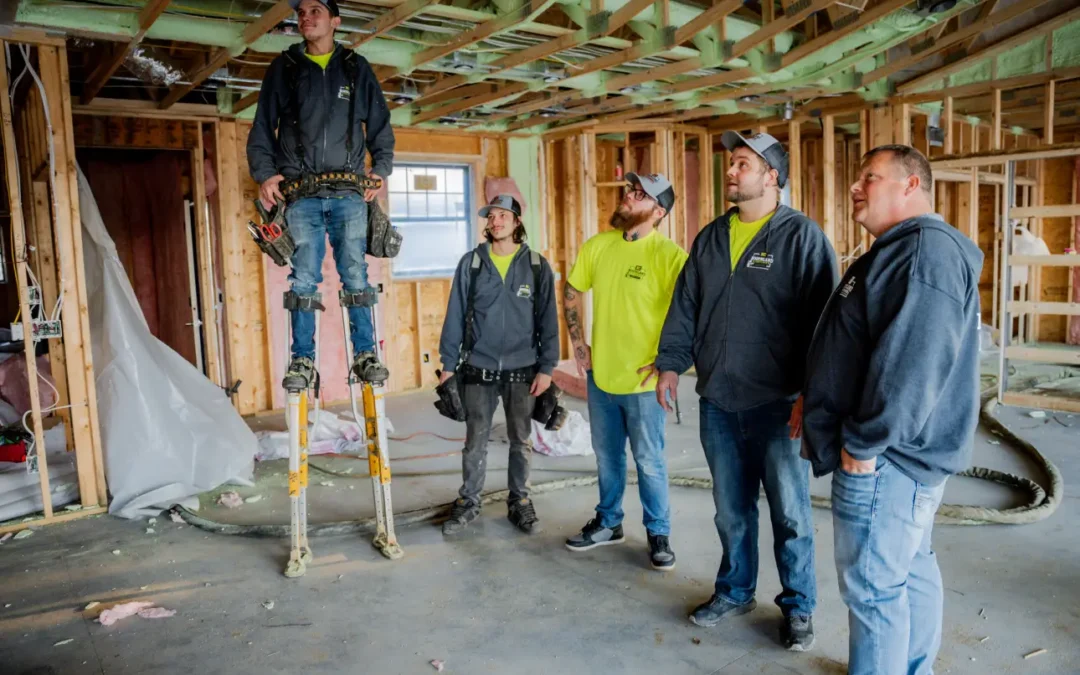
At Northland Companies, multiple team members hold SPFA Master Installer certifications. That level of training is rare in Minnesota, and it matters. A certified installer knows how foam behaves at different temperatures, how to mix it correctly, and how to apply it at the right thickness for your specific project.
Questions to Ask Before the Job Begins
Ask your contractor which type of insulation they recommend and why. A knowledgeable contractor will explain the difference between options like spray foam insulation and fiberglass batt and match the recommendation to your home’s needs. If they can’t explain their reasoning clearly, that’s a warning sign.
Also ask if they will air seal before installing. Air sealing is one of the most important steps in the process, and many contractors skip it to save time. Without it, insulation alone won’t stop heat loss or cold air infiltration.
What Good Installation Looks Like During the Job
You don’t need to stand over your contractor the entire time, but checking in at key stages is a smart move. For spray foam, the material should be applied in even, consistent passes. If the foam looks uneven, off-color, or crumbly, something went wrong with the mix ratio or temperature.
For blown-in attic insulation, your contractor should use depth markers, sometimes called rulers or sticks, placed throughout the attic before blowing begins. These markers confirm the material reached the target depth. Many states have minimum R-value requirements, and a good contractor will meet or exceed them, not just aim close.
Red Flags During Installation
Watch for contractors who rush through air sealing, skip vapor barriers in crawl spaces, or leave gaps around outlets and fixtures. Gaps are where energy loss happens. Even a small, uncovered gap in spray foam can reduce the thermal performance of an entire wall cavity.
Also take note of how the crew handles the materials and equipment. Spray foam that is sprayed at the wrong temperature or mixed incorrectly can shrink, crack, or off-gas for extended periods. A trained crew monitors conditions throughout the job.
How to Confirm the Job Was Done Right Afterward
Once the work is complete, ask for documentation. This should include the type of material used, the R-value achieved, and where insulation was installed. Reputable companies like Northland Companies provide clear records so you know exactly what you paid for and what was done.
You can also schedule a blower door test with a third-party energy auditor. This test pressurizes your home and identifies any air leaks that remain. If the insulation was done correctly, the test results will show it. If gaps or bypasses were left behind, the test will find them.
Signs You Can Notice Without Special Equipment
Pay attention to your home in the weeks after installation. Rooms that were previously drafty should feel more stable. Your heating and cooling system should not run as often. If you notice cold spots near exterior walls, a musty smell in a crawl space, or rooms that won’t stay warm, those are signs the installation may not have been done correctly.
If something feels off, don’t wait. Contact your contractor and ask them to come back and inspect the work. If they installed spray foam that is underperforming, it may need to be assessed and possibly removed and redone. You can learn more about that process by looking into insulation removal options if a reinstall becomes necessary.
Frequently Asked Questions
What certifications should I look for in an insulation contractor?
Look for SPFA certification for spray foam work. This program has multiple levels, including a Master Installer designation. It confirms the contractor has been trained and tested on proper installation techniques. Not all contractors pursue this certification, so it is a real differentiator when you find one who has it.
Can I tell if spray foam insulation was done wrong just by looking at it?
Sometimes, yes. Spray foam that was mixed incorrectly may look brittle, crumbly, or have an uneven texture. It may also shrink away from framing members over time. Open-cell foam that was used in the wrong location, such as a below-grade wall, is another sign of poor decision-making on the contractor’s part.
How do I know if the R-value requirement was met?
Ask your contractor for documentation showing the material used and the depth or thickness installed. You can cross-reference this with the manufacturer’s R-value per inch data. For attic work, depth ruler stakes placed before blowing begins confirm the depth was achieved. A third-party energy audit can also verify this.
What should a contractor do before installing insulation in an attic?
Before any material goes in, a contractor should seal all air bypasses. This means sealing around light fixtures, plumbing penetrations, top plates, and any other gaps between the living space and the attic. Skipping this step is one of the most common mistakes contractors make, and it significantly reduces the effectiveness of any insulation installed on top.
Is it normal to smell something after spray foam insulation is installed?
A mild odor for the first 24 hours is normal as the foam cures. However, a strong chemical smell that lasts several days or longer may indicate the foam was not mixed correctly. Off-ratio foam can remain tacky, off-gas, and perform poorly. If you experience this, contact your contractor right away and consider getting an independent assessment.
Work With a Team That Gets It Right the First Time
Insulation is not something you want to redo. When it is done correctly, you feel it in your comfort and your energy bills. When it is done wrong, the problems can linger for years without anyone connecting them back to the original installation.
Northland Companies has been committed to quality insulation work since 2016. The team holds SPFA Master Installer certifications, uses proven materials, and takes the time to explain every step of the process. Whether you need spray foam, blown-in, or insulation services for a new build or retrofit project, Northland Companies brings the training and accountability to back up the work.
If you want a contractor who will answer your questions honestly and document the job properly, visit Northland Companies to learn more or get in touch with the team today.