
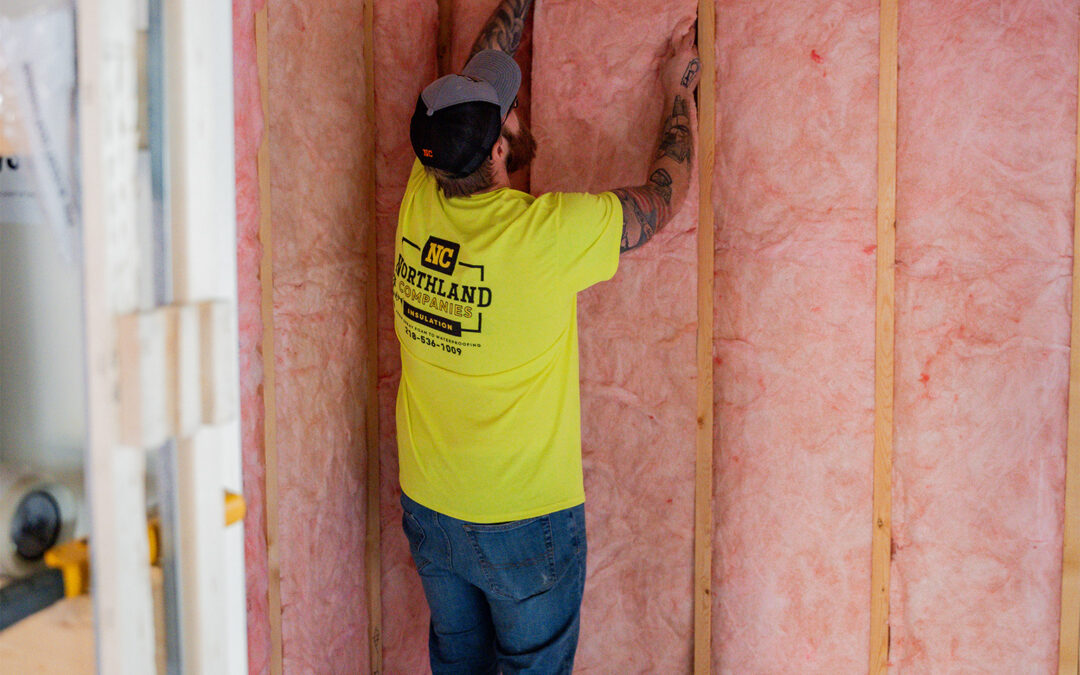
Fiberglass insulation in your attic keeps your home comfortable and your energy bills under control. If you own a home near Brainerd or Nisswa, you probably wonder when you need to replace the insulation overhead. Understanding how long fiberglass insulation lasts helps you plan for maintenance and avoid problems before they start.
Most fiberglass batt insulation lasts between 80 and 100 years when conditions are right. However, real-world factors such as moisture, pests, and damage can significantly shorten this lifespan. This article explains what affects the lifespan of your attic insulation and how to tell when it needs attention.
Key Takeaways
- Fiberglass insulation can last 80 to 100 years in ideal conditions
- Moisture, pests, and compression reduce insulation effectiveness and lifespan
- Signs of failing insulation include higher energy bills, uneven temperatures, and visible damage
- Minnesota winters and humid summers create unique challenges for attic insulation
- Regular inspections help catch problems early and extend insulation life
- Proper ventilation and moisture control are critical for long-lasting insulation
Expected Lifespan of Fiberglass Insulation
Fiberglass insulation stands out for its durability compared to other insulation types. Under perfect conditions, it can last a century. This happens when your attic stays dry, maintains proper ventilation, and avoids pest problems.
The reality is that few attics near Brainerd and Nisswa maintain perfect conditions year-round. Minnesota’s climate brings temperature extremes, from below-zero winters to humid summers. These conditions test your insulation constantly.
Factors That Reduce Insulation Lifespan
Several factors cut into how long your fiberglass insulation performs well. Water damage tops the list. A single roof leak can saturate insulation, making it compress and lose its ability to trap air. Once wet, fiberglass insulation rarely recovers its original effectiveness.
Pests like mice, squirrels, and insects often nest in attic insulation. They tear it apart, compress it, and leave droppings that contaminate the material. Pest damage typically requires full insulation replacement in affected areas.
Compression from storage items or people walking in the attic permanently reduces the insulation’s R-value. Fiberglass works by trapping air between its fibers. When you compress it, you remove those air pockets and reduce its insulating power.
Signs Your Attic Insulation Needs Replacement
You don’t always need to climb into your attic to know something is wrong with your insulation. Several warning signs appear first within your living space.
Rising energy bills often signal insulation problems, especially when you are trying to lower heating bills during a Minnesota winter. When your heating or cooling system runs longer to maintain comfortable temperatures, your insulation may have lost its effectiveness. Compare your current bills with those from the same season in previous years.
Uneven temperatures between rooms suggest insulation gaps or damage. If your bedroom stays cold while the rest of your home feels comfortable, the insulation above that room might need attention.
Visual Inspection Warnings
When you inspect your attic, look for these red flags. Discolored or dark insulation often means water damage. Fresh fiberglass insulation appears pink, yellow, or white depending on the brand. Dark spots indicate moisture problems.
Gaps or thin spots in insulation coverage let heat escape in winter and enter in summer. These areas need additional insulation or replacement of damaged sections.
A musty smell in your attic points to moisture issues that likely affect your insulation. Mold growth on or near insulation requires immediate attention, as it creates health risks and reduces insulation performance.
Maintaining Fiberglass Insulation in Minnesota’s Climate
The Brainerd Lakes area experiences temperature swings that challenge attic insulation. Winter temperatures often drop below zero, while summer heat can push attic temperatures above 130 degrees. This cycle stresses your insulation and the surrounding materials.
Proper attic ventilation extends insulation life. Your attic needs balanced intake vents at the soffits and exhaust vents at the ridge or gable ends. This airflow removes excess heat in summer and moisture in winter.
Moisture Control Strategies
Moisture is the biggest threat to fiberglass insulation in Minnesota attics. Ice dams form when heat escapes through your roof, melting snow that refreezes at the eaves. The water backs up under shingles and leaks into your attic.
A proper air barrier between your living space and attic prevents warm, moist air from reaching your insulation. Seal gaps around chimneys, plumbing vents, and electrical fixtures.
Check your attic after heavy snowfalls and spring thaws. These are prime times for water intrusion. Address any leaks immediately to prevent damage to the insulation.
Professional Inspection Benefits
A professional blown attic insulation inspection every three to five years catches problems early. Experts spot issues you might miss, like subtle water damage or pest activity. They can also measure your insulation’s R-value to confirm it still performs as designed.
During inspections, professionals check the adequacy of ventilation, look for air leaks, and assess overall attic conditions. This complete picture helps you make informed decisions about maintenance or replacement.
Frequently Asked Questions
Can I add new insulation over old fiberglass insulation?
Yes, you can add new insulation over existing fiberglass if the old material is dry and in good condition. Remove any wet, moldy, or pest-damaged insulation first. New insulation on top of compromised material wastes money and doesn’t solve the underlying problems.
Does fiberglass insulation contain harmful materials?
Modern fiberglass insulation is safe when installed properly. The fibers can irritate skin, eyes, and lungs during installation, so professionals wear protective equipment. Once installed, fiberglass poses minimal health risks. Older insulation may contain different materials, so have a professional evaluate it if your home was built before 1980.
How much insulation does a Minnesota attic need?
Minnesota building codes recommend attic insulation with an R-value between R-49 and R-60. This typically means 16 to 20 inches of fiberglass insulation. Your specific needs depend on your home’s design and heating system. A professional can calculate the right amount for your situation.
Will better insulation prevent ice dams?
Proper insulation helps prevent ice dams by keeping heat inside your home instead of letting it escape through your roof. However, insulation alone isn’t enough. You also need adequate ventilation and an effective air barrier. These three elements work together to maintain a cold roof surface, preventing snowmelt and ice dam formation.
What causes insulation to settle over time?
Gravity naturally causes loose-fill insulation to settle slightly. Blown-in fiberglass settles more than batts. Excessive settling usually indicates compression from weight, moisture damage, or poor installation. Quality batt insulation should maintain its thickness for decades when properly installed and protected from moisture.
Protect Your Home with Quality Attic Insulation
Your attic insulation works hard every day to keep your home comfortable and energy bills reasonable. While fiberglass insulation can last up to 100 years under ideal conditions, Minnesota’s climate and real-world factors often shorten its lifespan. Regular inspections and quick attention to moisture or pest problems help your insulation reach its full potential.
If you notice higher energy bills, uneven temperatures, or visible damage to your insulation in your Brainerd or Nisswa-area home, don’t wait for the problem to worsen. Northland Companies provides expert insulation services to keep your home comfortable year-round.
Contact us today to request a quote for a professional attic inspection and find out if your insulation still protects your home as it should.