
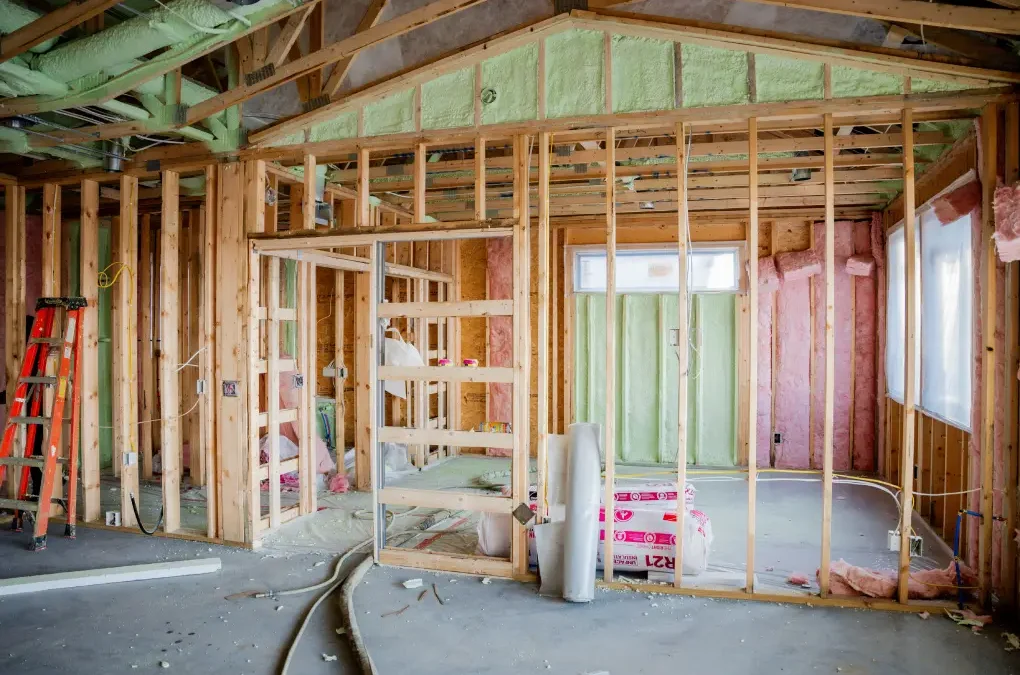
Spray foam insulation offers Jenkins homeowners a long-term solution for energy efficiency and comfort. When you invest in this type of insulation, you want to know if it will truly last. The good news is that spray foam insulation can serve your home for decades when installed correctly. Understanding how long different types of spray foam last, what affects their lifespan, and how to maintain them helps you make a smart decision for your home. This guide covers everything Jenkins area homeowners need to know about spray foam insulation durability.
Key Takeaways
- Closed-cell spray foam insulation can last 80 to 100 years or more with proper installation
- Open-cell spray foam typically lasts 80 years or longer when protected from moisture and UV light
- Quality installation and proper ventilation are critical factors for maximum lifespan
- Spray foam insulation outlasts traditional fiberglass and cellulose by decades
- Regular home maintenance helps protect your spray foam investment
- Professional installation ensures proper application and long-term performance
Types of Spray Foam Insulation and Their Lifespan
Two main types of spray foam insulation exist, and each offers different benefits and longevity for your Jenkins home.
Closed-Cell Spray Foam
Closed-cell spray foam stands as the more durable option. This dense material lasts between 80 and 100 years when installed properly. Some manufacturers even claim it can last the entire lifetime of your home. The tightly packed cells create a rigid barrier that resists moisture, air infiltration, and structural damage. This type works well in basements, crawl spaces, and exterior walls where moisture control matters most.
The material maintains its R-value (insulating power) throughout its lifespan. You will not see sagging, settling, or deterioration that affects other insulation types. Many Jenkins homeowners choose closed-cell foam for areas exposed to potential water issues or where maximum insulation value is needed in a limited space.
Open-Cell Spray Foam
Open-cell spray foam also delivers excellent longevity, typically lasting 80 years or more. This lighter, more flexible foam costs less than closed-cell but requires protection from moisture and UV exposure. The open structure allows some air permeability, making it ideal for interior walls and attics where vapor needs to escape.
While open-cell foam may compress slightly over time in high-traffic areas, it maintains its insulating properties when installed in protected spaces. Jenkins homeowners often use this type for interior applications where its soundproofing qualities provide added value.
Factors That Affect Spray Foam Insulation Longevity
Several key factors determine how long your spray foam insulation will last in your Jenkins home.
Installation Quality
Professional installation makes the biggest difference in lifespan. Properly mixed chemicals, correct application temperature, and adequate thickness ensure the foam cures correctly and performs as designed. Poor installation can lead to shrinkage, gaps, or weak spots that reduce effectiveness and durability.
The installer must prepare surfaces correctly, removing debris and moisture before application. They also need to apply the foam to the correct thickness in multiple passes as needed. These details separate a 20-year installation from one that lasts 80 years or more.
Environmental Conditions
Moisture exposure poses the biggest threat to the longevity of spray foam insulation. While closed-cell foam resists water well, prolonged exposure to leaks or flooding can still cause issues. Open-cell foam is more vulnerable and needs protection from direct water contact.
UV light from direct sunlight breaks down spray foam over time. Any exposed foam in attics or crawl spaces should be protected with a coating or cover. Temperature extremes typically do not affect the quality of spray foam, making it well-suited for the climate conditions in the Jenkins area.
Home Maintenance
Regular home maintenance protects your spray foam investment. Fix roof leaks promptly, maintain proper gutters and drainage, and address foundation cracks before water reaches insulated areas. Check crawl spaces and attics periodically for signs of moisture or pest activity.
Your HVAC system and blown attic insulation both play a role in maintaining good air circulation and energy efficiency. Proper ventilation prevents excess humidity that could affect insulation performance over time. Keep vents clear and change filters regularly to maintain good air circulation throughout your home.
Comparing Spray Foam to Other Insulation Types
Spray foam insulation outlasts traditional options by a significant margin.
Traditional Insulation Lifespan
Fiberglass insulation typically lasts 15 to 20 years before it begins to sag, compress, or lose R-value. Cellulose insulation settles over time, losing up to 20% of its insulating power within the first few years. Both materials are vulnerable to moisture damage, pest infestation, and degradation from air movement.
Spray foam, by contrast, maintains its full insulating value for 80 years or more. It does not settle, sag, or compress under normal conditions. The air-sealing properties remain intact, continuing to block drafts and moisture infiltration for decades. This makes spray foam a one-time investment rather than something you replace every 15 to 20 years.
Long-Term Value
The extended lifespan means spray foam pays for itself through energy savings and avoided replacement costs. Jenkins homeowners who install spray foam today likely will never need to re-insulate those areas again. The initial higher cost spreads over 80 years instead of 20, making it more economical in the long run.
Signs Your Spray Foam Insulation Needs Attention
Quality spray foam insulation requires little maintenance, but you should watch for these warning signs.
Performance Issues
Rising energy bills without explanation could indicate insulation problems. If your HVAC system runs longer than usual to maintain the temperature, check insulated areas for visible damage or gaps. Increased drafts near previously sealed areas also signal potential issues.
Temperature inconsistencies between rooms often point to insulation failure. One room feeling much colder or warmer than others suggests the insulation may not be performing correctly in that area.
Visual Damage
Look for discoloration, which often indicates moisture problems. Dark spots or staining on foam surfaces mean water has penetrated the area. Cracking or shrinkage away from framing members creates gaps that reduce effectiveness.
Pest damage appears as holes or tunnels in the foam. While spray foam resists most pests, determined rodents can still create pathways. Address pest problems immediately to prevent further damage to your insulation investment.
Frequently Asked Questions
Does spray foam insulation need to be replaced?
Properly installed spray foam insulation typically does not need replacement during the life of your home. Both open-cell and closed-cell types last 80 years or more when protected from severe moisture damage or physical damage. You only need to replace spray foam if significant water damage occurs, installation was poor, or physical damage compromises the insulation layer.
Can spray foam insulation lose its effectiveness over time?
Quality spray foam insulation maintains its R-value and air-sealing properties throughout its lifespan. Unlike fiberglass or cellulose, which settle and compress, spray foam stays in place and continues performing at full capacity. The only exceptions are installations with poor initial mixing, inadequate application, or exposure to prolonged moisture or UV light.
What maintenance does spray foam insulation require?
Spray foam insulation requires minimal maintenance. Protect it from direct UV exposure with paint or a covering if it is exposed in attics or crawl spaces. Address any roof leaks, plumbing issues, or foundation cracks promptly to prevent moisture damage. Check insulated areas during routine home inspections for signs of pest activity or water intrusion. Beyond these basic steps, spray foam needs no regular maintenance.
Is spray foam insulation worth the higher upfront cost?
The long lifespan of spray foam insulation makes it a worthwhile investment for most Jenkins homeowners. While initial costs are higher than with traditional insulation, the 80-plus-year lifespan means you avoid multiple replacement costs. Combined with energy savings from better thermal performance and air sealing, most homeowners recover the investment through lower utility bills within several years.
Will spray foam insulation work in older Jenkins homes?
Spray foam insulation works excellently in older homes throughout the Jenkins area. It seals gaps and cracks that traditional insulation cannot address, making it ideal for older construction with settling and air leaks. The long lifespan means these homes receive modern insulation performance for decades. Professional installation ensures the foam accommodates normal home movement and settling without damage.
Protect Your Jenkins Home with Professional Spray Foam Installation
Spray foam insulation offers Jenkins homeowners the longest-lasting insulation option available today. With proper installation and basic maintenance, your investment will serve your home for 80 years or more. The key to maximizing lifespan lies in choosing experienced installers who understand local conditions and follow best practices.
Northland Companies brings years of experience serving Jenkins area homeowners with quality insulation services. Our team ensures proper installation that delivers maximum longevity and performance. We understand local climate challenges and know how to protect your home for decades to come.
Contact Northland Companies today to request a quote and discuss how spray foam insulation can improve your home’s comfort and efficiency for a lifetime.