Key Takeaways
- Asking the right questions helps families avoid confusion and unexpected costs.
- Cemetery rules can affect the size, style, and materials allowed for monuments.
- Understanding pricing details prevents surprises later in the process.
- Reviewing a design proof ensures the engraving and layout are correct.
- Working with an experienced monument provider makes the process smoother and less stressful.
Ordering a monument for a loved one is a deeply personal decision. It is a way to create a lasting tribute that honors their life, their story, and the memories they leave behind. For many families, however, this process can feel overwhelming. Most people only purchase a monument once or twice in their lifetime, so it is natural to feel unsure about what questions to ask.
Understanding the right questions to ask before ordering a monument can make the process easier and less stressful. It helps families avoid unexpected costs, design mistakes, or delays caused by cemetery regulations. With the right information, families can feel confident they are creating a memorial that truly reflects their loved one.
A trusted monument provider can guide families through every step with compassion, clear answers, and expert craftsmanship. Northland Companies has built its reputation on providing dependable service and quality work while helping families create meaningful memorials that last for generations.
Why Asking Questions Before Ordering a Monument Matters
A monument is designed to last for decades, often for generations. Because of this, careful planning is important. The choices families make about materials, design, size, and wording will become a permanent part of the memorial.
Without asking the right questions, families may encounter challenges such as:
- Monument designs that do not meet cemetery rules
- Unexpected fees for installation or foundations
- Errors in engraving or layout
- Long delays in production or approval
Taking the time to ask questions early helps families understand the process and make informed decisions. It also allows the monument provider to guide families toward options that best honor their loved one.
Important Questions to Ask Before Ordering a Monument
What Rules Does the Cemetery Have for Monuments?
Every cemetery has its own regulations. These rules can affect several aspects of the monument, including:
- Maximum monument size
- Allowed monument styles
- Material requirements
- Placement guidelines
Some cemeteries allow upright cemetery monuments, while others may only permit flat markers or specific dimensions. Before choosing a design, it is important to confirm the cemetery’s requirements. This helps avoid costly changes later.
A monument provider who works closely with local cemeteries in its Minnesota cemetery service areas can often assist with this step and help ensure the monument meets all requirements.
What Is Included in the Total Price?
Monument pricing can vary depending on several factors. To avoid confusion, families should ask what is included in the total cost.
Important pricing details may include:
- The monument itself
- Engraving or lettering
- Artwork or design elements
- Foundation preparation
- Delivery and installation
- Cemetery permit fees
Understanding the full breakdown of costs helps families plan their budget and prevents unexpected expenses later.
What Materials Are Available for the Monument?
Monuments are typically made from durable materials designed to withstand weather and time. Common options include granite, marble, and bronze.
Granite is often chosen for durable granite monuments because it is strong, long-lasting, and available in many colors. Marble offers a classic appearance, while bronze is often used for flat markers or plaques.
Asking about material options allows families to compare durability, appearance, and maintenance needs. The right material ensures the monument remains beautiful for many years.
Can the Monument Be Customized?
Personalization is one of the most meaningful parts of creating custom monuments. Families often want the memorial to reflect the personality, values, or interests of their loved one.
Customization options may include:
- Personal messages or epitaphs
- Religious symbols
- Artwork or decorative elements
- Photographs or portraits
- Unique fonts or lettering styles
Discussing customization options helps families create a monument that feels personal and meaningful.
Can I See a Design Proof Before Production?
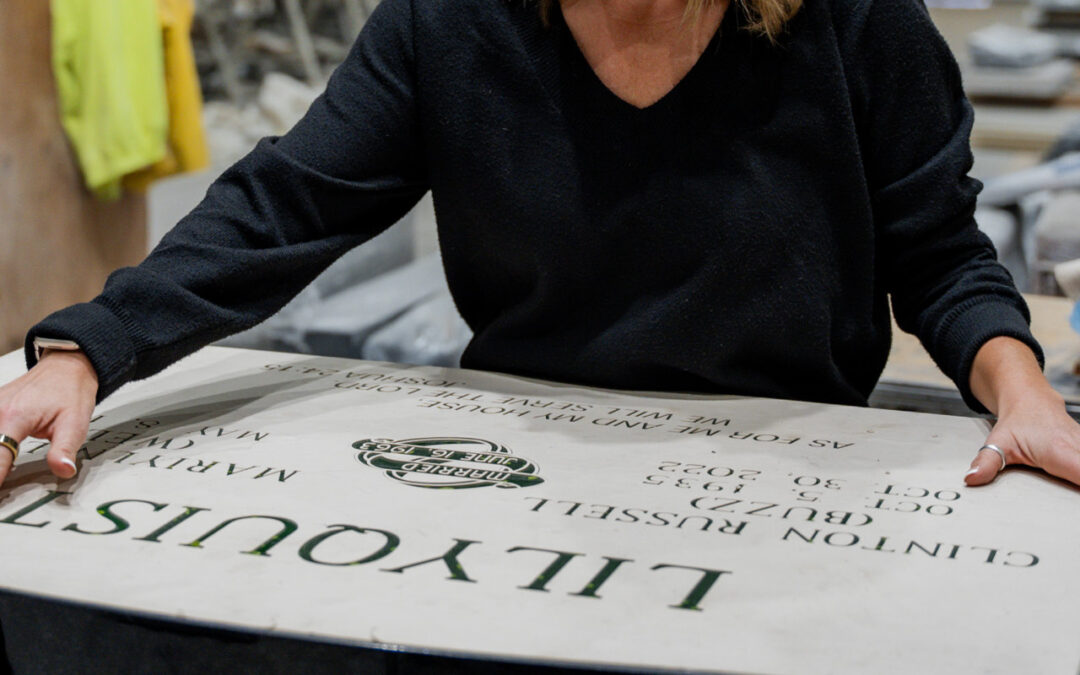
Before a monument is created, families should review a design proof. This visual layout shows exactly how the engraving, artwork, and lettering will appear.
Reviewing the proof allows families to:
- Check spelling and dates
- Confirm the layout and design
- Request changes if needed
This step is extremely important because once the engraving process begins, changes are difficult or impossible to make.
How Long Does It Take to Create and Install the Monument?
Monument production takes time. The timeline can vary depending on the design, material, and cemetery approval process.
Some factors that affect the timeline include:
- Custom engraving or artwork
- Monument material availability
- Cemetery approval requirements
- Weather conditions affecting installation
Asking about the expected timeline helps families understand when the monument will be completed and installed.
Who Handles Cemetery Paperwork and Approvals?
Many cemeteries require paperwork before a monument can be installed. This may include permits, design approvals, or verification of the burial plot.
Families should ask whether the monument provider will assist with these requirements. An experienced provider often works directly with cemeteries and can handle much of the approval process, which simplifies things for families.
Who Installs the Monument?
Proper installation is essential for the stability and longevity of the monument. The monument must be placed on a secure foundation to prevent shifting or damage over time.
Families should ask who is responsible for installation. In many cases, the monument provider will coordinate this step or work with the cemetery to ensure proper placement.
Is There a Warranty on the Monument?
Because monuments are meant to last for generations, it is helpful to ask about warranties or guarantees.
Some monument providers offer coverage for:
- Material durability
- Craftsmanship and engraving
- Structural stability
Knowing the warranty details can provide peace of mind and reassurance about the quality of the monument.
Can Additional Inscriptions Be Added Later?
In some cases, families may need to add additional names, dates, or inscriptions to a monument in the future. This is common for companion monuments or shared family memorials.
It is helpful to ask whether the monument design allows for future engraving and whether the same lettering style can be matched later.
Planning for this possibility ensures the monument remains consistent and visually balanced over time.
How the Right Monument Provider Makes the Process Easier
Choosing a trusted monument provider is just as important as choosing the monument itself. A knowledgeable provider can guide families through every step with patience and care.
An experienced team can help with:
- Understanding cemetery rules
- Choosing durable materials
- Creating personalized designs
- Reviewing design proofs
- Coordinating installation
Most importantly, a trusted provider approaches the process with empathy. Families often make these decisions during an emotional time, and compassionate guidance can make a meaningful difference.
Common Mistakes to Avoid When Ordering a Monument
Families who are new to the monument process sometimes make simple mistakes that can delay installation or increase costs. Being aware of these common issues can help prevent problems.
Common mistakes include:
- Choosing a monument before confirming cemetery rules
- Not reviewing the full price breakdown
- Skipping the design proof review
- Ordering from providers unfamiliar with the cemetery
Working with an experienced monument company helps families avoid these challenges and move through the process with confidence.
Conclusion
Ordering a monument is an important step in honoring a loved one’s life and legacy. While the process may feel unfamiliar, asking the right questions can make it much easier to navigate.
By understanding cemetery requirements, pricing details, materials, and customization options, families can make thoughtful decisions that reflect their loved one’s story. Taking time to review design proofs and timelines also ensures the final monument is exactly what the family envisioned.
With guidance from a trusted monument provider, families can create a memorial that offers comfort, remembrance, and a lasting tribute for generations.
If you are considering a monument and want caring guidance through the process, the team at Northland Companies is here to help.
Contact us today to discuss your options and create a lasting memorial that honors your loved one with dignity and craftsmanship.
FAQ
How much does a monument typically cost?
Monument costs can vary depending on the size, material, design, and engraving. Additional factors, such as foundations and installation, may also affect the final price.
How long does it take to order and install a monument?
The process can take several weeks or longer, depending on design complexity, material availability, and cemetery approvals.
What material is best for a cemetery monument?
Granite is often chosen because it is durable, weather-resistant, and available in many colors. Other materials, such as marble and bronze, are also used for certain monument styles.
Do cemeteries restrict monument sizes or styles?
Yes. Most cemeteries have rules about monument dimensions, materials, and placement. It is important to confirm these guidelines before ordering.
Can a monument be customized with photos or symbols?
Many monuments can include custom elements such as religious symbols, artwork, portraits, or personalized inscriptions.
Can additional names or dates be added to a monument later?
In many cases, monuments can be designed to allow future inscriptions. This is common for companion or family memorials.