
Choosing the right insulation for your home affects your comfort and energy bills. Two popular options are batt insulation and blown-in insulation. Each type has its own benefits and works better in certain situations. If you live near Brainerd or Pequot Lakes, you need insulation that can handle cold Minnesota winters and keep your home comfortable year-round. This guide will help you understand the differences between batt and blown-in insulation so you can make the best choice for your home.
Key Takeaways
- Batt insulation works best in new construction and open wall cavities with standard spacing
- Blown-in insulation fills irregular spaces and existing walls more effectively
- Both types can provide good R-values, but installation quality matters most
- Minnesota homes need higher R-values due to harsh winters
- Your home’s age and structure determine which insulation type works better
- Professional installation ensures proper coverage and performance
What Is Batt Insulation and How Does It Work?
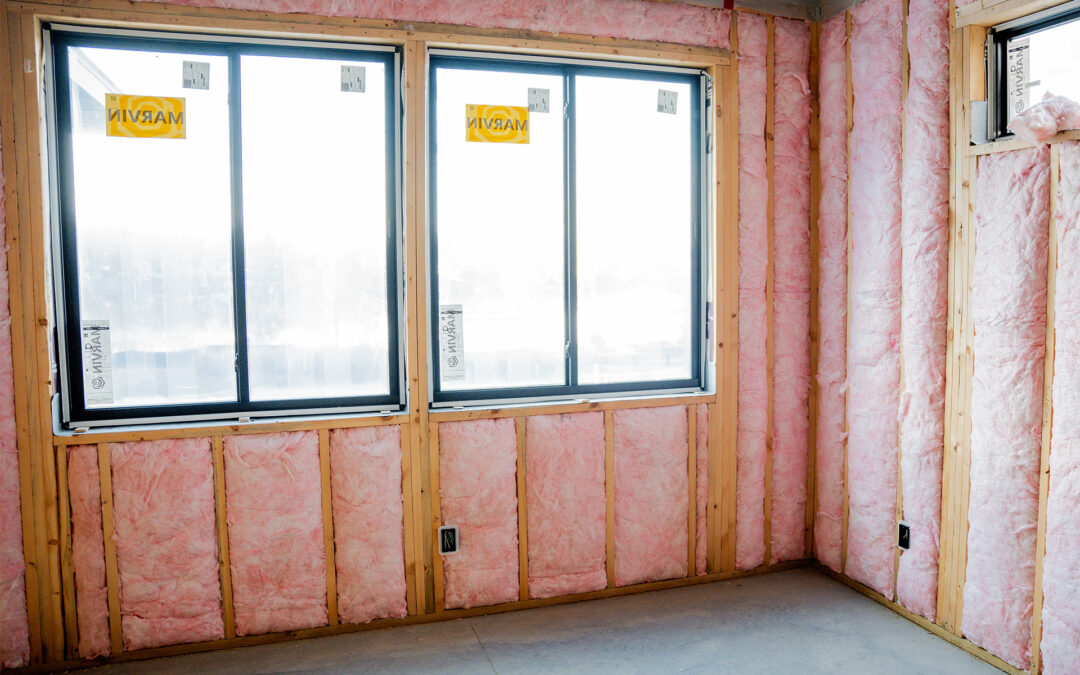
Batt insulation comes in pre-cut panels or rolls that fit between wall studs, floor joists, and ceiling rafters. Manufacturers make it from fiberglass or mineral wool. You can find batts in standard widths of 15 or 23 inches to match common stud spacing.
This type of insulation works by trapping air in its fibers. The trapped air slows down heat transfer, keeping warm air inside during winter and outside during summer. Batts come with paper or foil facing on one side, which acts as a vapor barrier to prevent moisture problems.
Benefits of Batt Insulation
Fiberglass batt insulation offers several advantages for homeowners. You can see exactly where it goes, making it easier to ensure proper coverage. It costs less than blown-in insulation in many cases, especially for new construction projects. Batts also resist settling over time, so they maintain their R-value for years.
Installation goes quickly in open spaces with standard framing. You can handle small projects yourself if you have basic DIY skills. Batts work well in walls, floors, and attics where joists or studs are exposed and evenly spaced.
Drawbacks of Batt Insulation
Batt insulation has some limitations. It leaves gaps around pipes, wires, and irregular spaces. These gaps let air leak through, reducing your insulation’s effectiveness. Even small gaps can lower your R-value by 25% or more.
You cannot use batts in existing walls without removing drywall. They also compress easily when pushed into tight spaces, reducing their insulating power. In older homes with non-standard framing, batts may not fit properly.
Understanding Blown-In Insulation
Blown-in insulation consists of loose fibers or particles that professionals install using special equipment. The material is either fiberglass, cellulose, or mineral wool. Installers use a machine to blow the material into attics, walls, or other spaces through small holes.
This insulation type fills every nook and cranny in your home. It flows around obstacles like pipes, wires, and ductwork. Blown-in insulation creates a continuous blanket of protection without gaps or seams.
Benefits of Blown-In Insulation
Blown-in insulation excels at covering irregular spaces. It fills gaps that batts cannot reach, providing better air sealing. This means fewer drafts and lower energy bills for your Brainerd or Pequot Lakes home.
You can add blown-in insulation to existing walls without major renovation. Installers drill small holes, fill the holes in the walls, and patch them. This process causes minimal disruption to your daily life. Cellulose blown-in insulation contains recycled paper treated with fire retardant, making it an environmentally friendly choice.
Blown-in insulation also settles into hard-to-reach areas like top plates and corners. It provides consistent coverage throughout your attic or walls.
Drawbacks of Blown-In Insulation
Blown-in insulation requires professional installation services and specialized equipment. This increases your upfront cost compared to DIY batt installation. The material can settle over time, especially in walls, which may slightly reduce its R-value.
Wind washing can occur in attics if blown-in insulation is not protected from air movement. This happens when cold air flows through the insulation, reducing its effectiveness. Proper installation techniques prevent this problem.
Which Type Works Better for Minnesota Homes?
The answer depends on your specific situation. For new construction in the Brainerd and Pequot Lakes area, batt insulation works well if installed correctly. Make sure to cut batts to fit around obstacles and avoid compression.
For existing homes, blown-in insulation usually performs better. It fills wall cavities without removing drywall. In attics, you can combine both types. Install batts between joists first, then add blown-in insulation on top for extra R-value.
R-Value Requirements for Central Minnesota
Minnesota falls in Climate Zone 6 or 7, depending on your exact location. The Department of Energy recommends these R-values:
- Attic: R-49 to R-60
- Walls: R-20 to R-21
- Floors: R-25 to R-30
Both batt and blown-in insulation can achieve these values. The key is proper installation and sufficient depth or thickness.
Installation Quality Matters Most
Even the best insulation fails if installed poorly. Gaps, compression, and improper vapor barriers cause problems. A professional installer knows how to avoid these issues.
For batt insulation, installers must carefully cut around obstacles and ensure the batts fit snugly without compression. For blown-in insulation, proper depth and density ensure maximum performance. Professional installers use depth markers and calculate the right amount of material for your space.
Making the Right Choice for Your Home
Consider these factors when deciding between batt and blown-in insulation. If you are building new or have exposed framing, batts may save you money. If you need to insulate existing walls or have irregular spaces, blown-in works better.
Think about your budget, too. Blown-in costs more upfront but may help lower heating bills due to better air sealing. Calculate your return on investment based on your heating and cooling costs.
Your home’s age and condition also matter. Older homes near Brainerd and Pequot Lakes often have settling issues, irregular framing, and air leaks. Blown-in insulation addresses these problems more effectively.
When to Combine Both Types
You do not have to choose just one type. Many homeowners use batts in walls during construction and add blown-in insulation in attics. This approach gives you the cost savings of batts where they work well and the gap-filling benefits of blown-in where you need it most.
You can also add blown-in insulation over existing batts in your attic to increase R-value. This upgrade improves comfort without removing the insulation you already have.
Frequently Asked Questions
Can I install batt insulation myself?
You can install batt insulation in exposed spaces, such as unfinished attics or basements. Wear protective gear, including gloves, long sleeves, eye protection, and a dust mask. Follow manufacturer instructions for proper installation. However, professionals ensure better coverage and avoid common mistakes that reduce effectiveness.
How long does blown-in insulation last?
Blown-in insulation lasts 20 to 30 years or more with proper installation. Cellulose may settle 10 to 20% over the first few years, which is normal. Fiberglass blown-in settles less. Regular attic inspections help you spot any issues early.
Does blown-in insulation create dust in my home?
Professional installers contain the dust during installation. You may notice a slight odor for a day or two, but it should not create ongoing dust problems. The material stays in your walls or attic and does not enter your living space.
Which type provides better soundproofing?
Blown-in cellulose insulation provides slightly better sound dampening than fiberglass batts because it fills spaces more completely. Both types reduce noise compared to uninsulated walls. For serious soundproofing, consider specialized acoustic insulation products.
Can I add more insulation on top of what I have now?
Yes, you can add insulation to increase your R-value. Adding blown-in insulation over existing batts in your attic is common and effective. Make sure your ceiling joists can support the extra weight and that you do not block ventilation.
Will more insulation help with ice dams?
Proper attic insulation helps prevent ice dams by keeping your roof cold. Ice dams form when heat escapes through your roof, melting snow that refreezes at the eaves. Both batt and blown-in insulation work, but you must also ensure proper attic ventilation and air sealing.
Get Expert Insulation Advice for Your Home
Choosing between batt and blown-in insulation depends on your home’s unique needs. Both types can keep your Brainerd or Pequot Lakes home comfortable through harsh Minnesota winters when installed properly.
The best insulation for your home depends on your budget, home age, and current condition. A professional assessment identifies problem areas and recommends the right solution. Proper installation ensures you get the full benefit of your investment.
Northland Companies provides expert insulation services throughout the Brainerd and Pequot Lakes area, and homeowners can request a quote to get started. Our team evaluates your home and recommends the best insulation type for your situation. We handle installation professionally, ensuring proper coverage and performance. Contact Northland Companies today to schedule your home insulation assessment and start saving on energy bills.