
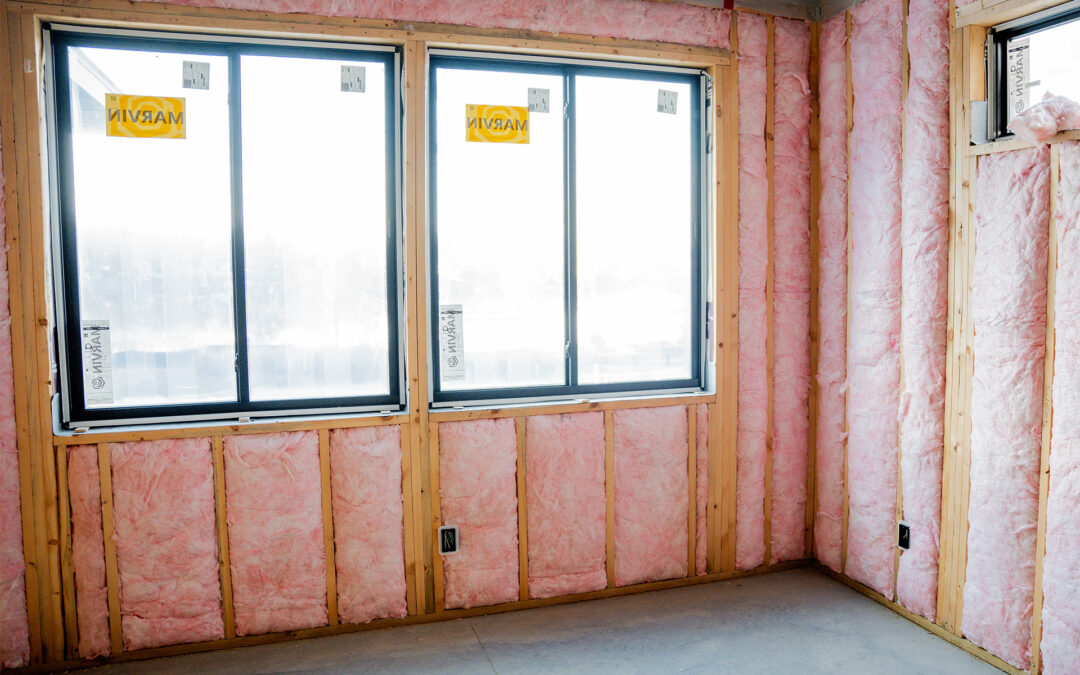
If you own a cabin, home, or rental property near Crosslake or Nisswa, you probably don’t think about insulation until there’s a problem. One question that comes up often is whether fiberglass insulation can catch fire. It’s a fair question, especially in a region where wood stoves, old wiring, and seasonal cabins are common. The short answer is that fiberglass itself does not burn easily, but there are important details you need to understand before assuming your insulation is safe.
Key Takeaways
- Fiberglass insulation is made from glass fibers, which do not ignite easily on their own.
- The paper or foil facing on some fiberglass batts is combustible and can catch fire.
- Unfaced fiberglass has a better fire safety profile than faced batts in exposed areas.
- Building codes in Minnesota require exposed insulation to be covered with a thermal barrier.
- Fiberglass does not meet all fire safety needs on its own; the installation method matters greatly.
- Northland Companies can help you choose and install the right insulation for your property.
What Fiberglass Insulation Is Actually Made Of
Fiberglass insulation is made from tiny strands of recycled glass that are spun together. Glass does not burn. That is why fiberglass batts and blown-in fiberglass tend to resist heat better than some other insulation types. The material itself is classified as non-combustible by most building standards.
However, calling fiberglass insulation completely fireproof is not accurate. The glass fibers can withstand high temperatures, but other parts of the product may not. Understanding those parts is key to knowing your real fire risk.
The Role of Facing Materials
Many fiberglass batt products come with a kraft paper or foil facing. This facing serves as a vapor barrier and facilitates installation. The problem is that kraft paper is combustible. If exposed to an open flame, it can ignite.
Foil-faced batts are more fire-resistant than paper-faced ones, but neither should be left exposed in living spaces. Minnesota building codes generally require you to cover any insulation in an occupied area with a thermal barrier, such as drywall. If you are using fiberglass batt insulation in your home or cabin, make sure the facing is not left uncovered in finished spaces.
Fire Ratings and What They Mean for Your Home
Insulation products in the United States are tested for fire performance using ASTM E84, which is known as the “flame spread index” test. Unfaced fiberglass batts typically score a flame spread index of 5 or less and a smoke development index under 50. Those are very favorable numbers.
Faced fiberglass batts score higher on flame spread because of the paper backing. The facing is what raises the risk. This is why installation location and method matter just as much as the product itself.
Where Problems Can Happen in Older Cabins
Many cabins near Crosslake and Nisswa were built decades ago. Some have exposed insulation in attics, crawl spaces, or unfinished walls. In those cases, faced fiberglass batts may have been installed and never covered. Over time, kraft paper can dry out and become more of a fire hazard, especially near heat sources like chimneys, recessed lights, or old wiring.
If you have any exposed insulation in your property, it is worth having it inspected. Northland Companies provides insulation services throughout this region and can identify areas where your current setup may not meet current code or safety standards.
How Fiberglass Compares to Other Insulation Types
Not all insulation has the same fire profile. Understanding how fiberglass stacks up against other common options helps you make smarter decisions for your home or cabin.
Spray foam insulation, for example, is combustible and requires a thermal barrier in all occupied spaces. Open-cell foam burns more readily than closed-cell. Blown-in cellulose is treated with fire retardants but still carries more risk than raw fiberglass.
You can read more about how these products compare in this guide on spray foam vs. fiberglass performance in cold climates.
Which Option Is Best for Cabins in Northern Minnesota
For most homes and cabins near Crosslake and Nisswa, the right insulation depends on more than just fire safety. You also need to think about moisture, air sealing, and energy efficiency during Minnesota winters. A product that is fire-safe but allows air leakage can still cost you a lot in heating bills.
Northland Companies has certified installers who understand how to balance these factors. The team holds certification through the Spray Polyurethane Foam Alliance (SPFA) Professional Certification Program, which is held by very few contractors in Minnesota. That background means they bring real building science knowledge to every project.
Learn more about your full range of options on the insulation services page.
Steps You Can Take Right Now to Reduce Fire Risk
You don’t have to wait for a problem to take action. A few practical steps can reduce your fire risk today. Start by walking through your attic, basement, and any unfinished spaces. Look for exposed insulation, especially faced batts near heat sources.
Check that all recessed lighting fixtures are rated for insulation contact (IC-rated). Non-IC fixtures can overheat when insulation sits against them. Also, make sure your chimney has proper clearance from insulation and framing. These are common issues in older Minnesota cabins.
When to Call a Professional
If you find exposed insulation, improper clearances, or signs of heat damage, do not try to fix it yourself. An insulation professional can assess the situation, remove old material safely if needed, and install a product that meets current fire and energy codes. You can learn more about this process through the insulation removal service offered by Northland Companies.
Frequently Asked Questions
Does fiberglass insulation catch fire?
The glass fibers themselves do not ignite easily. However, the paper facing on some batt products is combustible. Unfaced fiberglass has a much better fire safety profile. Any faced batt should be covered with drywall or another approved thermal barrier in living spaces.
Can fiberglass insulation melt?
Fiberglass can begin to soften at very high temperatures, around 1000 degrees Fahrenheit or higher. In most home fire situations, the glass fibers hold up better than foam or cellulose products. That said, no insulation should be relied on as a fireproofing material.
Is it safe to leave fiberglass insulation exposed in my attic?
Unfaced fiberglass batts in an unconditioned attic are generally acceptable if they are not near heat sources. However, faced batts left exposed in any occupied or partially occupied space are a code violation in most jurisdictions, including Minnesota. Have a professional check your attic if you are unsure.
What is the difference between faced and unfaced fiberglass insulation?
Faced batts have a kraft paper or foil backing that acts as a vapor barrier. Unfaced batts have no covering. Faced batts are more common in wall cavities and basement installations. Unfaced batts are often used in attics or when layering insulation. The facing is the part that carries fire risk, not the glass fibers.
Do Minnesota building codes require a fire barrier over fiberglass insulation?
Yes. Minnesota follows the International Building Code and International Residential Code, which require a thermal barrier, typically half-inch drywall, over combustible insulation in occupied spaces. Even non-combustible insulation near certain heat sources may require additional protection. Check with a local contractor or inspector to confirm requirements for your specific property.
Talk to a Local Insulation Expert Before Your Next Project
Fire safety is just one piece of the insulation puzzle. Near Crosslake and Nisswa, you also need insulation that handles moisture, cold winters, and the demands of a seasonal or year-round property. Getting that balance right takes experience.
Northland Companies has been serving homeowners and contractors across northern Minnesota since 1984. Whether you need a safety inspection, new insulation, or help sorting out what’s already in your walls, the team brings certified expertise and honest guidance to every job. Visit northland-companies.com to learn more or get in touch with a local insulation specialist today.