
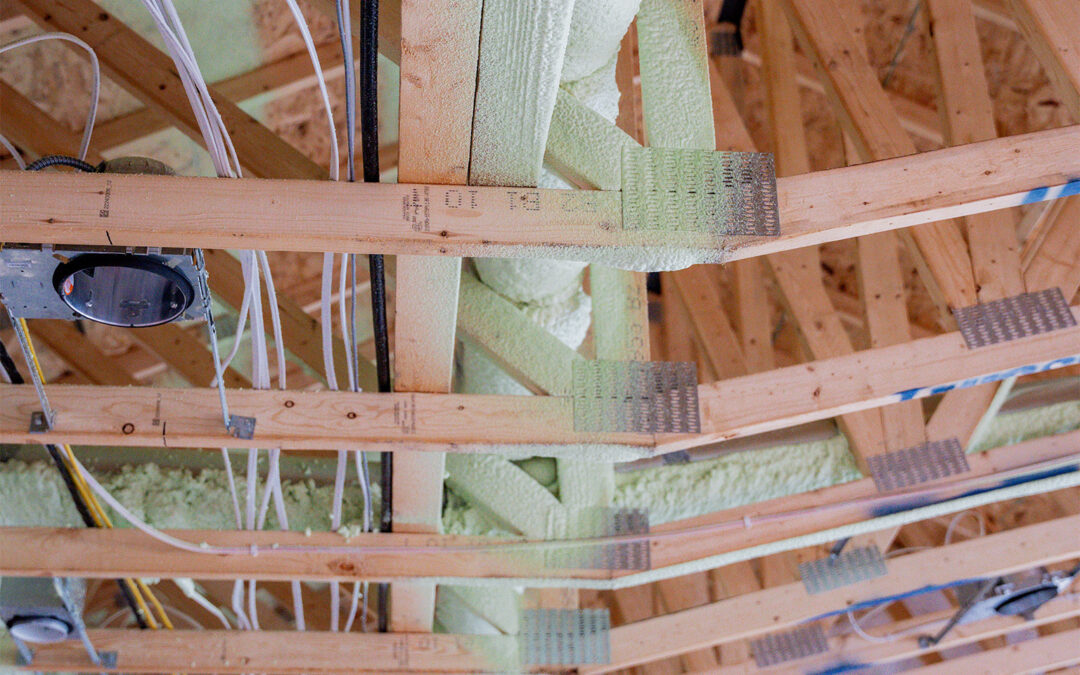
Spray foam insulation has become one of the most popular choices for homeowners who want to lower energy bills and stop air leaks. But before you schedule your first project, there are a few things worth knowing. The product works well when it is installed correctly. It can cause real problems when it is not. Understanding the basics will help you make smarter decisions, ask better questions, and get better results.
Key Takeaways
- There are two main types of spray foam: open-cell and closed-cell. Each works differently.
- Proper installation matters more than the product itself.
- Spray foam must cure before the space is safe to occupy.
- Not every area of your home is a good candidate for spray foam.
- Working with a certified installer reduces risk and improves results.
- Spray foam can reduce air infiltration by up to 40 percent in some homes.
- Northland Companies holds SPFA Professional Certification, which is rare in Minnesota.
Understanding the Two Types of Spray Foam
Before anything else, you need to know that not all spray foam is the same. Open-cell and closed-cell foam behave very differently. Choosing the wrong one for your application can lead to moisture problems, poor performance, or both.
Open-Cell vs. Closed-Cell Foam
Open-cell foam is softer and more flexible. It expands more and costs less per square foot. It works well for interior walls and soundproofing, but it is not a vapor barrier. In cold climates like Minnesota, open-cell foam in certain areas can allow moisture to pass through.
Closed-cell foam is denser and rigid. It acts as both an insulator and a vapor barrier. It has a higher R-value per inch, typically around R-6 to R-7. This makes it the stronger choice for crawl spaces, rim joists, and exterior walls in cold-weather regions. If you are comparing options, spray foam vs. fiberglass is a common decision point for homeowners in northern Minnesota.
Where Spray Foam Works Best in Your Home
Spray foam is not the right fit for every part of your home. Knowing where it performs best will help you plan your project more accurately. It also helps you avoid paying for foam in places where another product would do just as well.
High-Impact Areas to Target First
Rim joists are one of the most effective places to apply closed-cell spray foam. These are the framing members that sit on top of your foundation wall. They are a major source of air leakage in older homes. Sealing them with spray foam can make a noticeable difference in comfort and energy use.
Crawl spaces, attics, and exterior walls are also strong candidates. If your home has an unconditioned crawl space, moisture and cold air can enter through the floor. Spray foam on the crawl space walls or ceiling creates a much tighter building envelope. You can also explore spray foam insulation options to see what applications fit your home best.
What to Expect During and After Installation
First-time homeowners are often surprised by how involved spray foam installation actually is. It is not a simple DIY weekend project. The chemicals involved require proper handling, and the process takes time to complete safely.
Curing Time and Re-Entry
After spray foam is applied, it needs time to cure. During this time, the space is not safe for people or pets. Curing can take anywhere from a few hours to 24 hours, depending on the product and conditions. Your installer should give you a clear re-entry time before they begin.
Ventilation is important during and after application. The chemicals in spray foam release fumes while curing. A qualified installer will take proper precautions. This is one of the main reasons why hiring a certified professional matters. Northland Companies has multiple SPFA Master Installers on staff, which is uncommon in this region. Their team focuses on educating homeowners so projects are done right the first time. You can learn more about their background on the About Northland Companies page.
One thing worth knowing before your project begins is whether any old insulation needs to come out first. In some cases, removing damaged or contaminated material is a necessary first step. Signs you may need insulation removal include visible mold, pest damage, or water staining on existing material.
Frequently Asked Questions
Is spray foam insulation safe once it cures?
Yes. Once spray foam has fully cured, it is considered safe for occupants and pets. The off-gassing happens during and shortly after application. After curing is complete, the foam is stable and does not release harmful chemicals into your living space.
Can spray foam be applied over existing insulation?
In some cases, yes. But it depends on the condition of the existing material and where it is located. If the old insulation is damaged, wet, or contaminated, it typically needs to be removed first. A professional installer can assess the situation and tell you what is needed before any new material goes in.
How long does spray foam insulation last?
Spray foam insulation is known for its durability. Closed-cell foam, in particular, can last the lifetime of the building when properly installed. It does not sag, settle, or break down the way some other insulation types can over time. Proper installation is the key factor in long-term performance.
Does spray foam work well in cold climates?
Yes, and in many ways it is the best option for cold climates. Closed-cell spray foam creates a continuous air and vapor barrier, which is especially important in places like Minnesota where temperatures drop well below zero. It prevents the freeze-thaw air movement that causes drafts and moisture buildup inside walls.
What should I look for when hiring a spray foam contractor?
Look for contractors who hold certification through the Spray Polyurethane Foam Alliance. This shows they have been trained to industry standards. Ask about their experience with the specific application you need, whether that is a crawl space, attic, or new construction. A good contractor will walk you through the process and answer your questions without pressure.
Ready to Plan Your Insulation Project? Start With the Right Team
Spray foam insulation can be one of the best investments you make in your home, but only when it is done correctly. The type of foam, the application area, the installer’s training, and the prep work all matter. Cutting corners in any one of these areas can lead to performance problems that are expensive to fix.
Northland Companies has been serving homeowners across northern Minnesota since 2016 with a focus on building science, honest guidance, and quality results. As one of only a small number of SPFA-certified companies in the state, they bring a level of expertise that is hard to find locally. Whether you are insulating a new build, upgrading an older home, or tackling a pole barn or crawl space, their team can help you figure out the right approach. Visit Northland Companies insulation services to learn more or get in touch with their team today.